
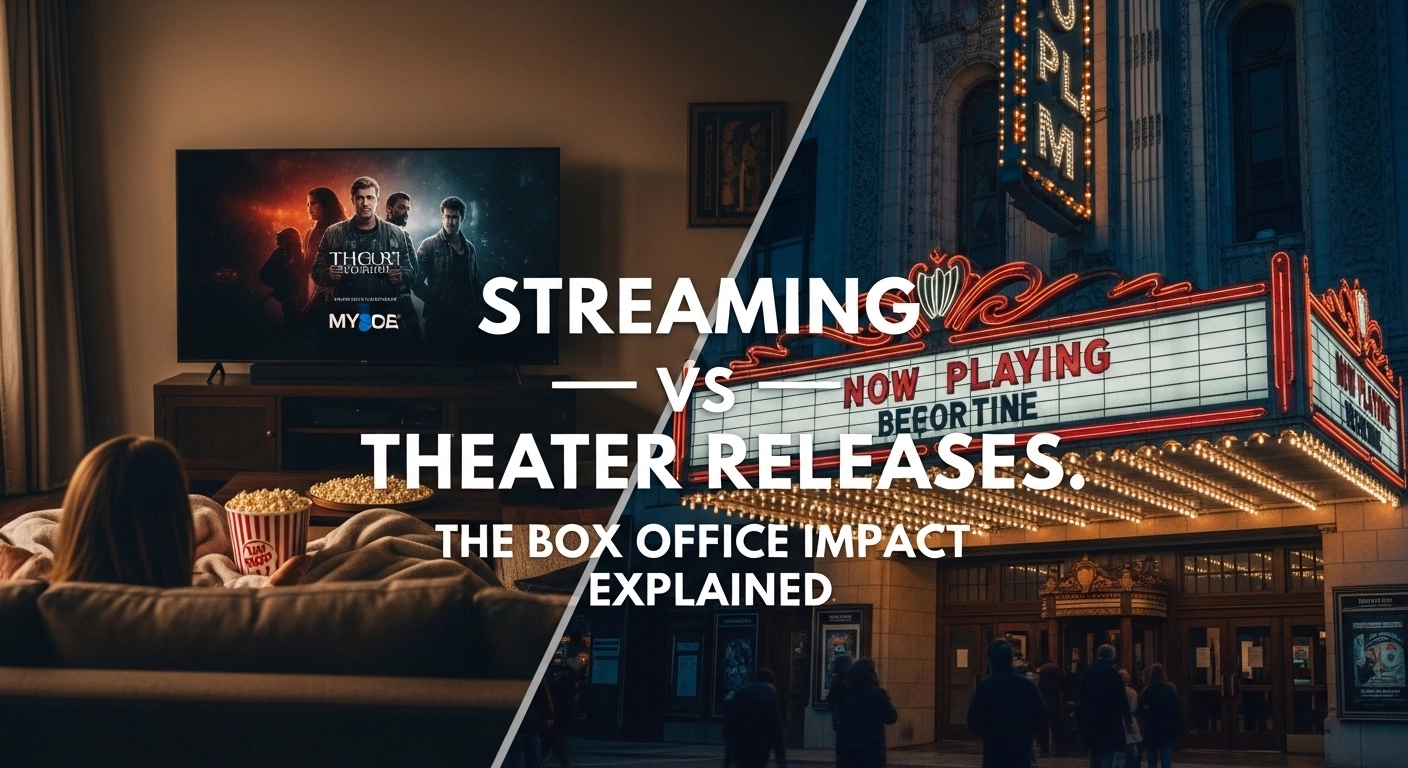
The battle between streaming vs theater releases has transformed the movie industry in ways that were unimaginable just a decade ago. What was once a simple process of releasing a film in theaters, then on DVD, then on television has become a complex web of streaming platforms, shortened theatrical windows, and hybrid release strategies. This shift has had massive implications for the box office, and the industry is still adjusting to a new reality.
In this article, we explore how streaming services have impacted theatrical box office earnings, what the current release landscape looks like, and what this all means for moviegoers, filmmakers, and the future of cinema itself.
The Traditional Theatrical Release Window
For decades, the standard theatrical release window was around 90 days. A movie would open in theaters and have approximately three months of exclusive play time before becoming available on DVD or digital rental. This window gave theaters the ability to maximize box office revenue without competition from home viewing, while also creating anticipation for the home release.
This system worked well for everyone involved. Studios earned strong theatrical revenue, theaters enjoyed exclusive content, and consumers had clear expectations about when films would become available at home. The box office was the undisputed center of the film industry’s financial universe.
How Streaming Services Disrupted the Model
When Netflix, Amazon, Disney Plus, and other streaming giants entered the market with original movies, they changed everything. Netflix began producing feature films specifically for its platform, bypassing theaters almost entirely. Amazon offered brief theatrical runs for awards consideration before moving films to Prime Video. Disney Plus launched during the pandemic and became a direct competitor to its own theatrical releases.
The COVID-19 pandemic accelerated this transformation dramatically. When theaters closed in 2020, studios were forced to experiment with day-and-date releases, where a film premieres in theaters and on streaming simultaneously. What started as a crisis response became a permanent part of the industry playbook for some studios.
The Shrinking Theatrical Window
One of the biggest changes in recent years has been the dramatic shortening of the exclusive theatrical window. What was once 90 days is now often 45 days or less. Some major releases reach streaming platforms within 30 days of their theatrical debut. This shift has fundamentally changed how audiences decide whether to see a movie in theaters or wait a few weeks for streaming.
Theater chains initially fought hard against this change, arguing that it would cannibalize ticket sales. The reality has been more complicated. Some films have performed well despite short windows, while others appear to have lost meaningful box office revenue to early streaming availability.
Which Movies Still Drive People to Theaters
Despite streaming’s growth, certain types of films continue to perform strongly at the box office. Here is what still draws audiences to theaters:
- Major franchise films like Marvel, Star Wars, and other superhero titles continue to post impressive opening weekends.
- Horror movies remain incredibly cost-effective theatrical plays, delivering strong returns on modest budgets.
- Event movies with spectacular visuals and strong word of mouth still pull audiences away from home.
- Family films benefit from the social experience of theaters and remain a reliable draw during school breaks.
- Horror and comedy films tend to benefit from the communal theater experience, which is hard to replicate on a couch.
The Movies That Struggle Now
Certain types of films have seen their theatrical prospects decline in the streaming era. Mid-budget dramas, romantic comedies, and character-driven indie films have been hit particularly hard. These movies now often go directly to streaming because the theatrical market for them has shrunk considerably.
Adult-focused prestige dramas are another category that has seen mixed results in theaters. Films that might have done respectable business a decade ago now frequently underperform because the audience for them has gravitated toward home viewing. This shift has changed what types of movies get greenlit in the first place.
How Studios Balance Streaming and Theaters
Major studios are now juggling multiple release strategies simultaneously. Disney uses its Disney Plus platform for family content and smaller films while still giving its tentpole releases traditional theatrical windows. Warner Bros experimented with day-and-date releases on Max before returning to theatrical priority for most films. Universal has pioneered shorter windows while maintaining strong theatrical presence for its biggest releases.
Each studio is essentially running its own experiment, adjusting strategies based on the performance of individual films. There is no one-size-fits-all answer, and the approach varies widely depending on genre, budget, and target audience.
The Impact on Box Office Records
The growing strength of streaming has raised questions about whether new films can realistically compete with past box office champions. Some analysts argue that the all-time rankings may become increasingly dominated by films from the 2010s and earlier, simply because audiences now have more options and shorter exclusive theatrical windows.
However, films like Barbie, Top Gun: Maverick, and Oppenheimer have proven that a well-crafted movie with strong marketing can still deliver massive box office numbers in the streaming era. The ceiling for theatrical success may have shifted, but it has not disappeared.
What This Means for Moviegoers
For audiences, the current landscape offers both advantages and drawbacks. On one hand, there has never been more content available more quickly than ever before. On the other hand, the decline of mid-budget theatrical releases means that certain types of films you once enjoyed in theaters are now primarily home viewing experiences. The communal joy of seeing a smaller drama with a crowd has become increasingly rare.
The good news is that the biggest movie events still happen on the big screen. When something truly special opens in theaters, the experience remains unmatched.
Final Thoughts
The streaming vs theater releases debate is really about finding a new balance in a changing industry. Theatrical releases remain vital for certain types of films, while streaming has become the natural home for others. The box office is not dying, but it is evolving. How the industry navigates this evolution will shape the movies we get for decades to come. Stay with ShowUltra for ongoing coverage of how streaming and theatrical release strategies continue to reshape the movie business.